Training Creators annd Exporting Talent: The Real Challenge Behind Edu Game Namibia’s Game Ambition
3 March 2026
In this article
In Namibia, a quiet shift is taking place within the creative technology space and at the center of it is Edu Game Namibia. What began as an effort to bridge a skills gap in game development has evolved into a structured attempt to shape a local industry where few formal pathways previously existed.
Namibia has no shortage of creative talent. What it has lacked is structure, access, and continuity. Edu Game Namibia stepped into that space with a focus on training young people in game development, animation, and gamification while connecting learning to real opportunity. Over time, the mission expanded beyond teaching technical skills into building an ecosystem that supports entrepreneurship, partnerships and long-term growth.
Building Both Coders and Creators
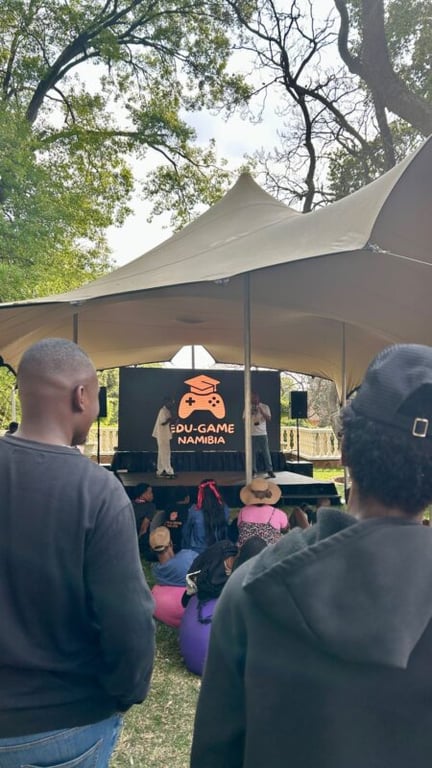
A defining strength of Edu Game Namibia is its balanced model. Students are taught programming, 3D modeling, animation, and game engine proficiency alongside storytelling, character design, and world building. The goal is not simply to produce coders but to develop well rounded creators.
Game development is creative expression built on technical foundations. By combining coding workshops with narrative design sessions, the hub ensures students understand both how to build and why they are building. Soft skills such as teamwork, project management, and critical thinking are also emphasized because games are collaborative products that require coordination and confidence.
Gamification Beyond Entertainment
Edu Game Namibia also explores how game based thinking can be applied outside commercial entertainment. In schools, interactive modules are used to make subjects like mathematics and science more engaging. Students move from passive learning to active participation.
In civic spaces, gamified platforms encourage youth involvement in social issues such as environmental awareness and voter education. Businesses benefit from simulation based training that helps employees develop leadership and problem solving skills in practical, low risk environments. This broader approach positions interactive design as a tool for education and development, not just entertainment.
Milestones That Built Credibility
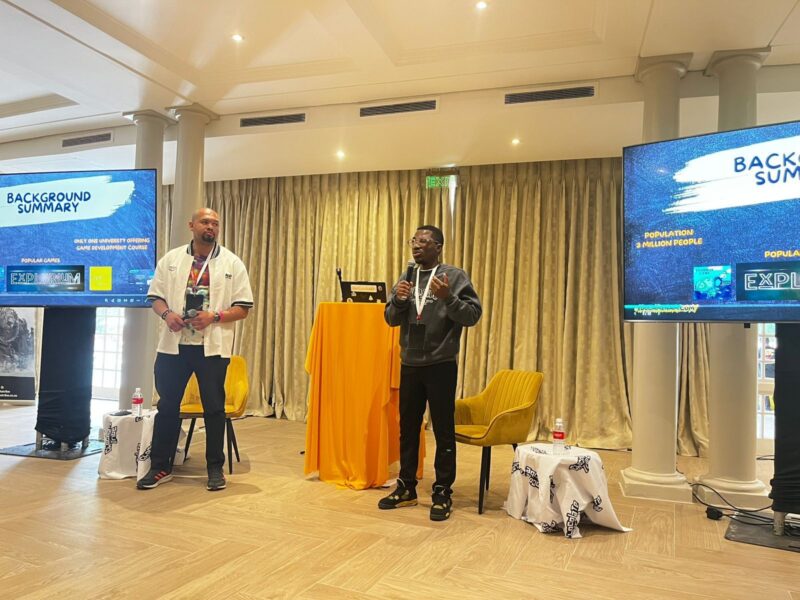
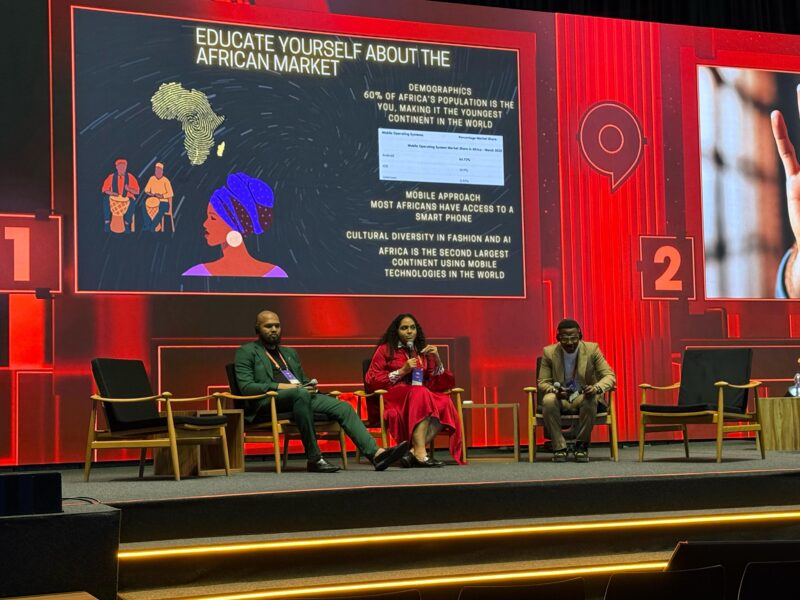
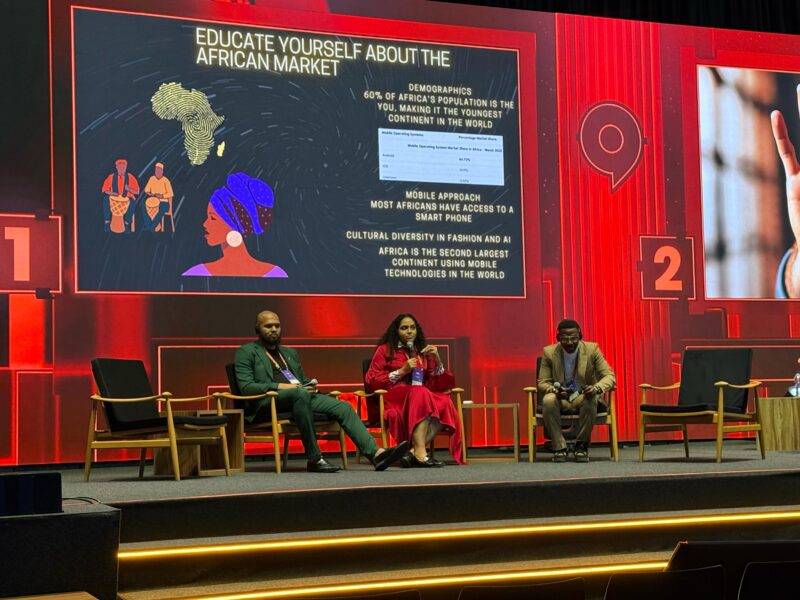
Recognition has strengthened the hub’s credibility. Being selected as a Top 3 finalist at the Forbes Under 30 Pitch Battle in Botswana in 2024 brought regional visibility. Strategic partnerships, including collaboration with the Bank of Namibia, provided institutional support and validation.
A significant milestone came when students traveled to Johannesburg to exhibit and present their games to industry professionals. The experience exposed them to pitching, networking, and professional standards beyond their local environment. It also signaled that Edu Game Namibia is deliberately positioning itself within a wider African industry conversation.
The Structural Challenges
Despite this progress, challenges remain. Infrastructure is a major constraint. Game development requires powerful computers, reliable internet, and modern tools, resources that are not always easily accessible.
Funding is another hurdle. Creative technology ventures often struggle to attract sustained investment in markets where traditional industries dominate capital flows. Without consistent financial backing, scaling programs becomes difficult. Then there is talent retention. As students gain competitive skills, opportunities abroad become appealing. This pattern is common across emerging African tech ecosystems. Training creators is achievable, but building conditions that encourage them to stay is more complex.
Collaboration and the Road Ahead
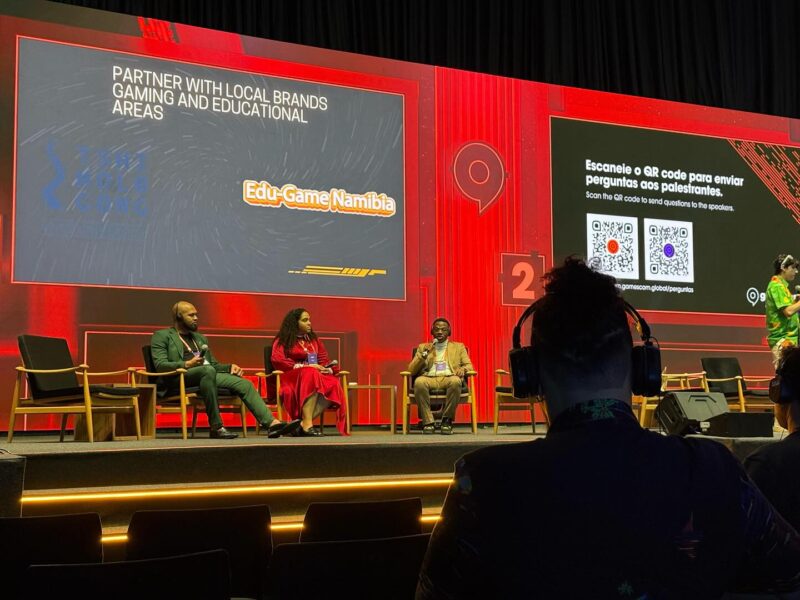
To navigate these pressures, Edu Game Namibia relies on collaboration. Partnerships with universities and schools strengthen the local pipeline. Joint projects with studios provide practical experience. International connections offer mentorship and exposure that elevate both students and the hub itself.
Looking ahead, the vision includes expanding training programs, launching a regional game development festival, and deepening international partnerships to position Namibia as a contributor to the global creative industry. Activities at Katutura Tech Hub reflect this steady, growth oriented ambition.
Edu Game Namibia represents both progress and tension. It proves that structured training in game development is possible within Namibia and that regional recognition can be achieved. At the same time, it highlights the systemic realities that shape emerging industries. The ambition is present and the talent is clear. The next phase depends on whether the ecosystem can grow strong enough to retain and sustain the creators it is producing.