Gaming Communities in Nigeria: Driving the Growth of Esports in 2026
3 January 2026
In this article
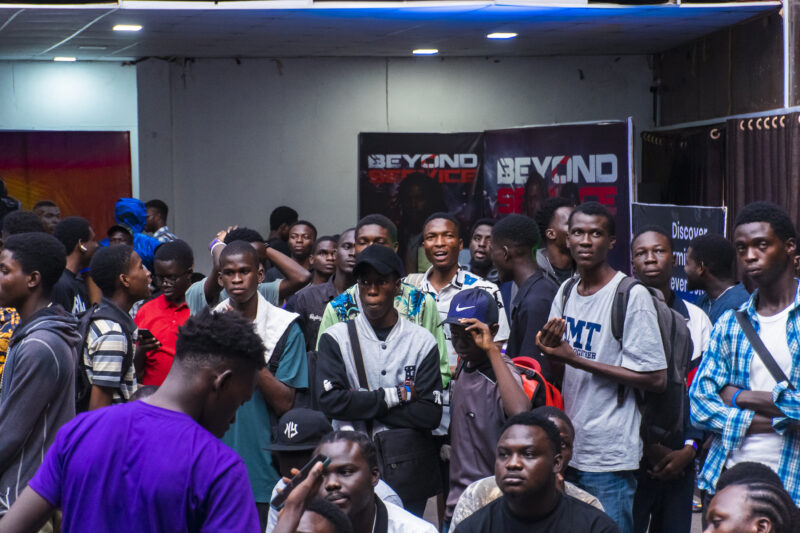
The rise of esports in Nigeria has been nothing short of remarkable, and at the heart of this growth are the gaming communities in Nigeria. From campus clubs to online hubs, these communities are not just social spaces, they are incubators for talent, engines for competitive participation, and platforms that connect passionate gamers across the country. As we enter 2026, the role of these communities in sustaining and expanding Nigerian esports cannot be overstated.
Accessibility and Community Engagement
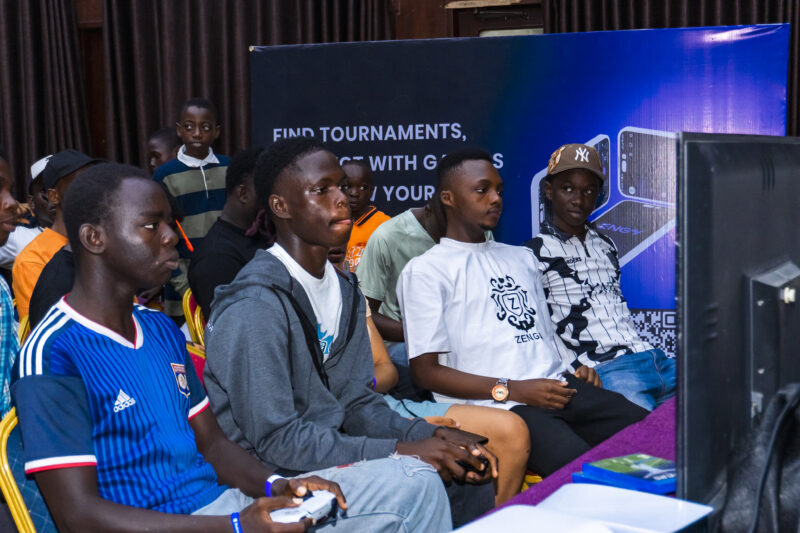
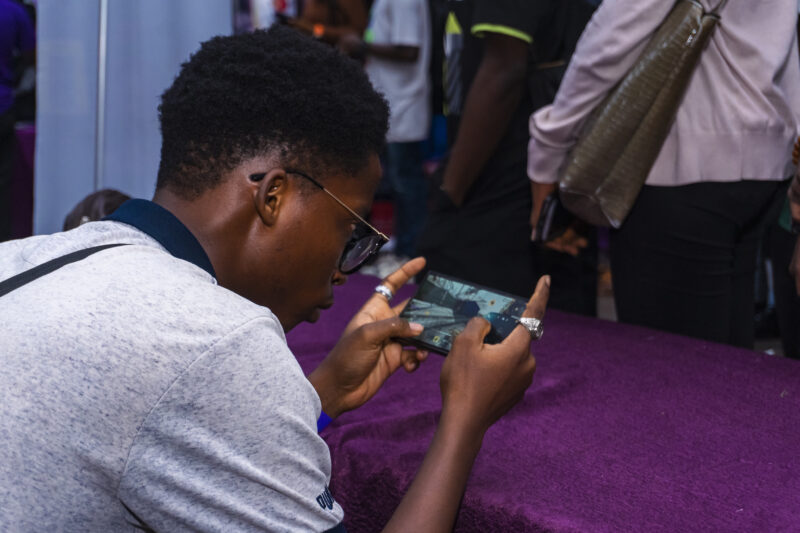
One of the biggest reasons gaming communities thrive in Nigeria is accessibility. Mobile games such as Free Fire, Call of Duty Mobile, and Mobile Legends dominate the landscape, largely because they run on widely available smartphones and require minimal setup. This low barrier to entry has allowed communities to grow organically, creating spaces where new and seasoned players alike can connect, share strategies, and organize competitive play.
Platforms like TikTok have become a concentrated hub for Nigerian gamers, serving as a digital meeting point for content creators and players. Highlight clips, tutorials, challenges, and community-driven campaigns not only entertain but also draw new participants into the ecosystem. For many, these platforms provide the first glimpse into professional gaming and the broader competitive world.
Structured Events and Competitive Opportunities
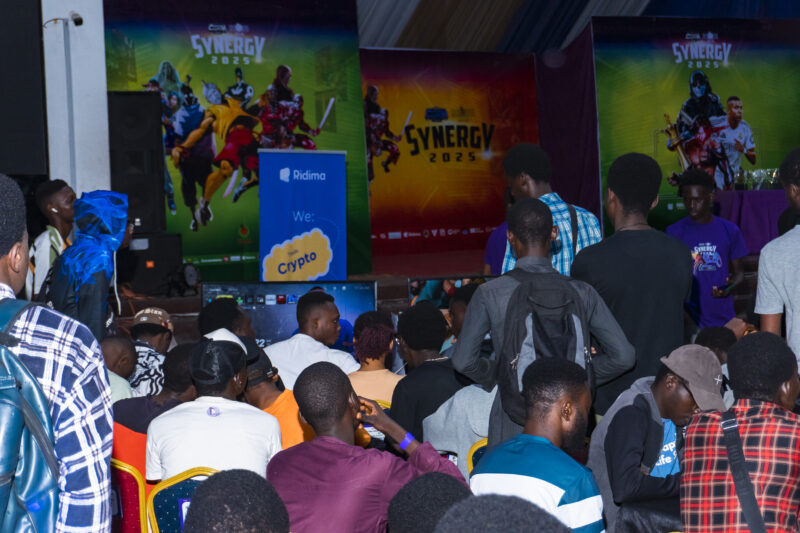
Gaming communities in Nigeria are increasingly professionalizing the esports landscape through organized competitions. For example, 10N8E Esports successfully hosted NPL Season 8 in 2025, with widespread participation from Pro and amateur teams, and anticipation is already building for NPL Season 9. Similarly, 3 Crown Esports delivered the WAPL tournaments for Free Fire and Mobile Legends last year, while planning the Nigeria Esports Cup (NEC) 2026, further expanding competitive opportunities.
ML Hub Nigeria has been instrumental in creating a tiered system for Mobile Legends communities, helping players progress from casual participation to competitive play. Meanwhile, the African Free Fire Community, led by Layo, is building a structured Free Fire network not only in Nigeria but across the continent. Layo has emphasized esports education as a key focus, highlighting how community efforts can shape the next generation of players and content creators.
These events and networks show that Nigerian communities are doing more than connecting players, they are also cultivating talent, promoting competitive standards, and sustaining player engagement across multiple game titles.
Driving Careers and Content Creation
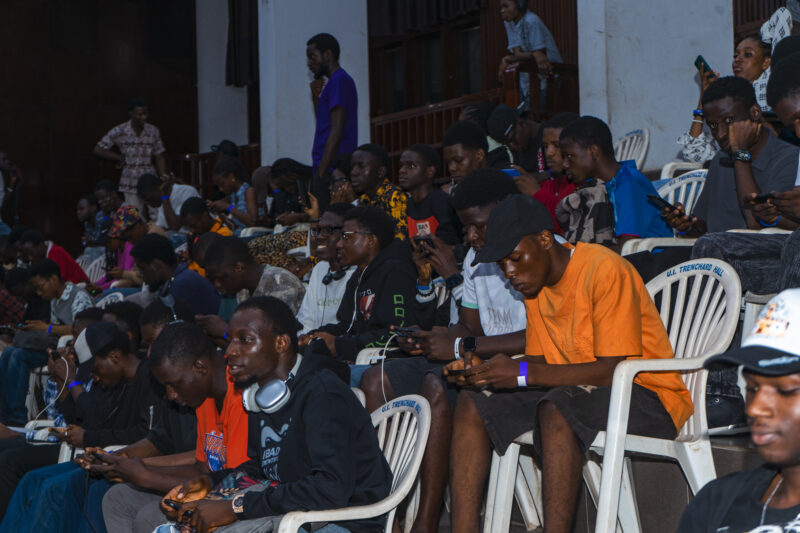
Beyond tournaments, gaming communities in Nigeria are crucial for professional development. Content creators and aspiring esports professionals often begin by participating in community discussions, streaming local matches, or creating tutorials for peers. High-profile creators on TikTok have amassed substantial audiences, demonstrating how community-driven content can elevate both individuals and the games themselves.
The ecosystem now supports a range of gaming careers in Nigeria, from competitive players and team managers to commentators, content creators, and community organizers. These communities offer the mentorship, exposure, and networking opportunities essential for growth in a still-developing industry.
Challenges and Opportunities Ahead
While gaming communities are thriving, challenges remain. Funding is a major issue, often limiting the scale and reach of local tournaments. Infrastructure for competitive play, reliable internet, streaming setups, and gaming hardware, is still unevenly distributed.
Yet the opportunities are vast. The Nigerian youth population, digital connectivity, and increasing awareness of esports as a legitimate career path provide fertile ground for expansion. Communities can continue to serve as bridges between grassroots players and professional esports, helping secure sponsorships, partnerships, and media coverage that can sustain the ecosystem in the long term.
Looking Ahead to 2026
As we move into 2026, gaming communities in Nigeria will remain central to the country’s esports trajectory. From the expected NPL Season 9 to tiered competitions for Mobile Legends, and the continued expansion of Free Fire networks across Africa, communities will continue shaping participation, talent development, and digital culture.
For students, aspiring gamers, and parents interested in esports, the message is clear: communities provide the support, structure, and opportunity to transform passion into careers. They are the lifeblood of Nigerian esports, and their impact will only grow as the industry matures.